
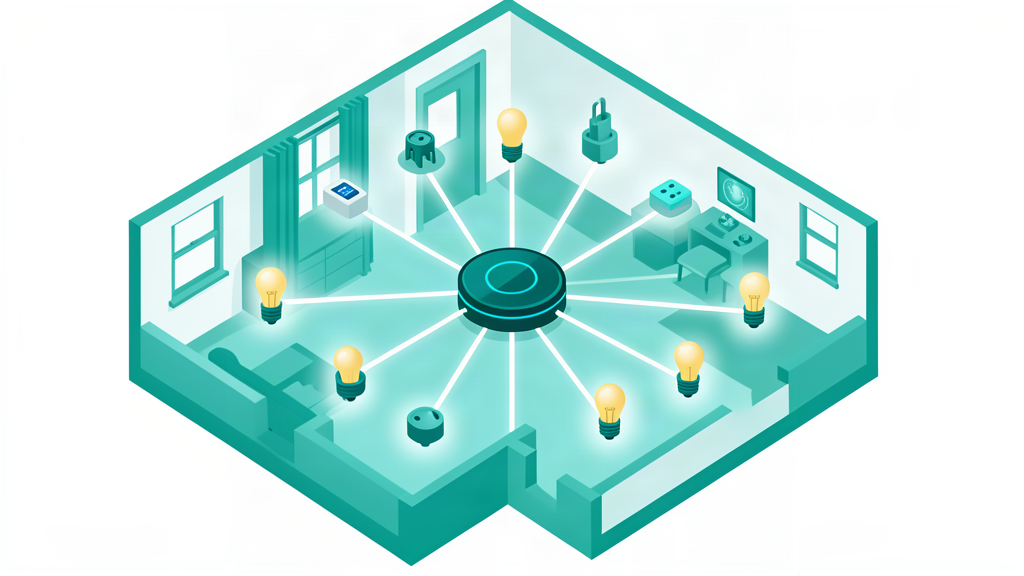
Zigbee is a wireless communication technology that is used in a variety of applications, including automation and control systems. Here are some advantages of using Zigbee systems:
- Low power consumption: Zigbee is designed to be energy efficient, which means it has a low power consumption. This makes it suitable for use in devices that need to operate for long periods of time on a small battery.
- Long battery life: Because Zigbee consumes relatively low power, devices that use this technology can have a long battery life. This is particularly useful for applications where replacing batteries regularly would be inconvenient or expensive.
- Low cost: Zigbee devices are generally less expensive than other wireless communication technologies, such as Wi-Fi or Bluetooth.
- Secure: Zigbee uses encryption to protect against unauthorized access to the network. This makes it a secure choice for applications where security is important, such as home automation systems.
- Interoperability: Zigbee devices are designed to work together, regardless of the manufacturer. This makes it easy to build systems that include a variety of different devices from different manufacturers.
- Reliable: Zigbee uses a mesh networking architecture, which means that data can be transmitted from one device to another through multiple hops. This makes it a reliable choice for applications where a direct connection may not be possible, such as in large buildings or outdoor environments.
Although Zigbee has many advantages, it also has some limitations and disadvantages that you should be aware of:
- Short range: Zigbee has a relatively short range compared to other wireless communication technologies, such as Wi-Fi or Bluetooth. The range of a Zigbee device can vary depending on the specific device and environment, but it is generally around 30-100 feet.
- Slow data transfer speeds: Zigbee has a maximum data rate of around 250 Kbps, which is much slower than other technologies such as Wi-Fi or Bluetooth. This can be a limitation for applications that require fast data transfer speeds.
- Limited compatibility: While Zigbee devices are generally designed to work together, they may not be compatible with devices from other manufacturers unless they are specifically designed to be interoperable. This can limit the flexibility of your system.
- Limited use cases: Zigbee is primarily used in automation and control applications, such as smart lighting and building automation systems. It is not as widely used for other purposes, such as connecting devices to the internet or transmitting audio and video.
- Complexity: Zigbee systems can be more complex to set up and maintain compared to other technologies, such as Wi-Fi. This can be a challenge for users who are not technically savvy.
Already using a Tuya-based app? The Sensbi app for iOS has been replaced by Smart Life. Read our migration guide or visit the Mobile App page for details.